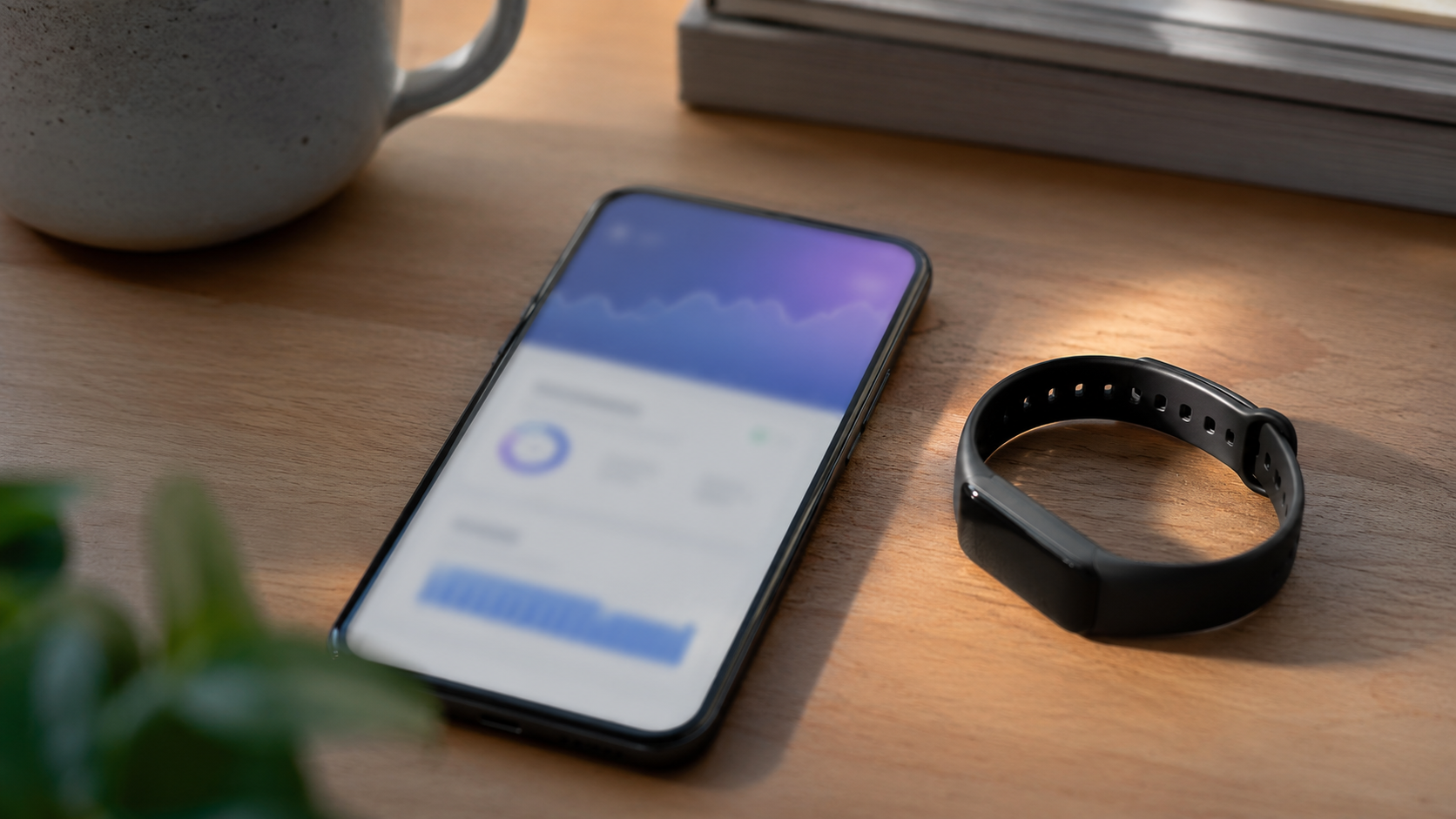
The next time Fitbit Premium renews on your card, the charge could be $20 higher than the one you originally agreed to. Not because you upgraded. Not because you changed plans. Because on May 19, 2026, the Fitbit app starts rebranding itself into Google Health, and Fitbit Premium becomes Google Health Premium, with a higher annual price for one specific group of subscribers.
The monthly plan stays at $9.99. The annual plan rises from $79.99 to $99.99 (Google’s launch blog rounds this to $99). The headline new feature is a Gemini-powered Health Coach. The easy-to-miss detail is that Google Health Premium is now bundled with Google AI Pro and Ultra subscriptions, which rewrites the math for anyone already paying for an AI tool at the $20 per month tier. For light users who only check steps and sleep, the free tier still covers the basics. For everyone else, May 19 forces a decision that auto-renewal has been hiding for years.
Quick Answer: Fitbit Premium becomes Google Health Premium on May 19, 2026. The annual price rises from $79.99 to $99.99 (Google’s launch blog lists this as $99), a roughly $20 increase that hits at the next renewal. The monthly price stays at $9.99. Google AI Pro subscribers in the US can get Google Health Premium at no additional cost, which can make the standalone annual subscription redundant for that group. Cancel before the next renewal date if Premium workouts, guided programs, or the new coaching layer rarely get used.
What actually changes on May 19, 2026?
The Fitbit app rebrands as Google Health between May 19 and May 26, 2026, through an automatic over-the-air update. Google has been preparing this transition for months, with early signals appearing in the app itself. Starting May 12, the social features inside the Fitbit app went into a freeze. Friends can’t be added or removed. The weekly leaderboard stops updating. The actual rebrand rolls out automatically across the May 19 to 26 window.
The new Google Health app keeps most of what Fitbit subscribers already rely on. Steps, sleep stages, heart rate, and basic insights remain free. The paid tier carries forward the workout library and guided mindfulness sessions. A few items are renamed. “Health metrics” becomes “Vitals.” “Stress score” becomes “Resilience,” and the numeric value gets replaced by a three-state label, Optimal, Balanced, or Low. “Menstrual health” is renamed “Cycle health.” Recipes are gone.
The headline new feature is Google Health Coach, a Gemini-powered conversational coach that uses your health, sleep, activity, and fitness context to personalize recommendations. It can synthesize information from connected sources, including supported health records where available, suggest training adjustments, and accept logs via text, voice, or photo. It has been in public preview for months under the name Fitbit Health Coach. On May 19, it moves from preview to a paid feature bundled into Premium.
The price math is simpler than the feature list. The annual Google Health Premium plan is listed in app and billing references at $99.99, while Google’s launch blog rounds it to $99. Either way, the practical change is the same: annual subscribers are looking at roughly a $20 increase from the old $79.99 Fitbit Premium annual price. Monthly subscribers pay the same $9.99. New customers see the new annual price from day one.
Your five options before the next Fitbit renewal
A lot of fitness-subscription decisions get made unconsciously. People who barely use Premium workouts, guided programs, or deeper insights keep paying for screens they don’t see. Auto-renewal works because it hides the moment of decision. The May 19 transition is useful for one reason that has nothing to do with the new app: it forces the decision back into the light.
1. Keep paying monthly at $9.99
The monthly Google Health Premium plan costs $9.99 and is unchanged from the old Fitbit Premium monthly rate. For active users who actually open Coach, follow guided workouts weekly, or read the detailed Sleep Score breakdown most mornings, monthly is the lowest-risk path. Nothing about the bill changes. The new Gemini-powered Health Coach is included. The option to cancel at the end of any month stays open.
This path makes sense for two specific groups. The first is anyone training for an event with a clear end date, where the subscription is a tool for a defined period. The second is anyone who wants to test whether the new AI Coach actually adds value before committing for a full year.
2. Switch to annual at $99.99 (or skip the upgrade)
The annual Google Health Premium plan costs $99.99, about $20 more than the previous Fitbit Premium annual rate of $79.99. Twelve months at the new monthly rate of $9.99 totals $119.88, so the annual plan still saves roughly $20 against paying monthly. The break-even point is around ten months of use. If you already know you’ll use Premium for ten or more months, the annual plan usually wins on price. If you’re unsure about the new Google Health experience, monthly is the safer test.
One detail most subscribers ignore: the renewal date. If the annual subscription renews in June, the $99.99 price kicks in at that renewal. If it renews in October, the next five months stay at the old $79.99 rate, and the increase doesn’t show up until then. Checking the billing date before deciding when to cancel or re-subscribe can buy back several months at the old price.
3. Downgrade to the free tier
The free version of Google Health still covers step count, heart rate, activity history, basic sleep tracking, and the standard activity log. Daily Readiness, once a Fitbit Premium exclusive, is no longer the clean dividing line it used to be: Google made the score available to all Fitbit users in late 2024, so it can’t be used to justify the subscription anymore. The paid features to question now are the full workout library, guided programs, deeper personalized insights, and the new Health Coach layer.
A recurring frustration in Fitbit Community forum threads before this transition was that subscribers felt locked out of features they assumed came with the hardware. The downgrade-to-free path is the cleanest answer for that group. If naming a Premium feature opened in the last month is hard, paying for it is harder to justify.
4. Cancel entirely and switch trackers
Garmin and Apple Watch users can access many core tracking features without paying a Fitbit-style monthly health subscription. That does not mean those ecosystems have no paid add-ons, but the subscription pressure feels different. Garmin’s Connect+ exists but many users skip it. Apple Watch wraps core fitness tracking into the device price, with Fitness+ as a separate optional subscription. Whoop is the opposite extreme, where the subscription is the product. For anyone already considering a switch, the May 19 rebrand is a natural decision point.
Two warnings for anyone considering the switch. First, Fitbit historical data does carry over to Google Health automatically, but it does not migrate to other platforms. Years of step counts and sleep history disappear unless they get exported before the account is deleted. Second, learning a new platform’s quirks takes weeks. A switch in May means stable baseline data won’t arrive until July at the earliest.
5. Bundle through Google AI Pro
Google AI Pro costs $19.99 per month and now includes Google Health Premium at no extra charge for eligible subscribers in the United States. 9to5Google reports the bundle is available in 30+ countries. The standalone Health Premium annual subscription costs $99.99. Inside Google AI Pro, that line item drops to zero. This is the part many subscribers may miss, and it changes the math for one specific group.
The math only works in one direction. For anyone already paying $20 a month for ChatGPT Plus or Claude Pro, switching that AI subscription to Google AI Pro delivers a different AI assistant with its own strengths, plus 5TB of Google One storage, plus Health Premium included. Whether the AI side actually fits the same use cases is a separate question. For anyone who doesn’t currently pay for any AI subscription, adding a $240 annual AI plan to avoid a $20 health subscription price hike is the wrong way around. The bundle only works when the AI side stands on its own merits.
What you lose vs. what you gain
| Feature | Fitbit Premium (Before May 19) | Google Health Premium (After May 19) |
|---|---|---|
| Monthly price | $9.99 | $9.99 (unchanged) |
| Annual price | $79.99 | $99.99 (about $20 higher) |
| AI Health Coach (Gemini) | Public preview only | Included with Premium |
| Workout library | Yes | Yes (unchanged) |
| Mindfulness sessions | Yes | Yes (unchanged) |
| Recipes | Yes | Removed |
| Stress score (numeric) | Yes | Replaced by Resilience (Optimal / Balanced / Low) |
| Multimodal logging (text, voice, photo) | No | Included |
| Free with Google AI Pro | UK only | Included with Google AI Pro / Ultra in supported markets |
The honest read is that the headline upgrade is the Gemini-powered Coach. Most other changes are renamings, removals, or rebrand artifacts. If the Coach doesn’t fit a current routine, the $20 annual increase pays for a different app icon and not much else.
The Google AI Pro angle that changes the math
Google AI Pro at $19.99 per month now bundles Google Health Premium at no additional cost in the US, which makes the standalone $99.99 annual subscription redundant for anyone already paying for an AI tool at the $20 per month tier. The Google AI Pro bundle is the part many subscribers may miss, and it deserves a section on its own rather than a footnote treatment.
Here’s who should consider the bundle: anyone already paying for an AI subscription at the $20 per month tier. Switching from ChatGPT Plus or Claude Pro to Google AI Pro at $19.99 per month delivers a different AI assistant with its own trade-offs, 5TB of Google One storage, and Google Health Premium. The standalone version of Health Premium would cost $99.99 a year on its own. Inside the bundle, that cost evaporates. Whether the AI side fits the same workflow is a separate decision, covered in the comparison between Google AI Pro and ChatGPT Plus.
Here’s who shouldn’t: anyone who doesn’t currently pay for any AI subscription. Adding a $240 annual AI plan to dodge a $20 health subscription price hike is upside down. The bundle math works only when the AI side stands on its own merits. The Health Premium inclusion is a nice extra, not a reason to buy in.
How do you cancel Fitbit Premium before the price change?
The cancellation flow depends on where the original Fitbit Premium subscription was purchased: fitbit.com, the iOS App Store, the Google Play Store, or the Google Store. Each path is different, and the fragmentation is one reason recurring threads on the Fitbit Community forum show people struggling to find their own subscription to cancel it.
- If purchased through the Google Store or via a Google account login: Open the Google account where the subscription lives, navigate to Payments and Subscriptions, find the Fitbit Premium line, and cancel from there. The same flow applies to Google Health Premium after May 19. Google Store cancellation guide.
- If purchased through iOS: Open Settings, tap the Apple ID at the top, choose Subscriptions, select Fitbit Premium, then tap Cancel Subscription.
- If purchased through Google Play: Open the Play Store, tap the profile icon, select Payments and Subscriptions, then Subscriptions, then Fitbit Premium, then Cancel.
- If purchased directly through fitbit.com: Sign in at fitbit.com, open Account Settings, select Manage Subscriptions, and Cancel. Annual subscriptions purchased on fitbit.com stopped auto-renewing as of February 29, 2024, so this group is mostly grandfathered to the old price for one more cycle.
One detail worth confirming before canceling: the access cutoff. Canceling does not switch off Premium immediately. The features stay active until the end of the current billing cycle, with no proration refund. If three weeks remain on the current cycle, those three weeks are already paid for, and canceling now versus canceling on day twenty makes no financial difference.
The decision matrix for May 19
The five paths above resolve into a simple matrix based on two questions: how often do Premium-only features actually get used, and is there already an AI subscription on the bill?
| Your situation | Best path |
|---|---|
| Open Premium features weekly, no AI subscription | Switch to annual at $99.99 (still cheaper than monthly) |
| Open Premium features weekly, already pay for ChatGPT Plus or Claude Pro | Consider switching that AI subscription to Google AI Pro to get Health Premium included |
| Rarely open Premium features, mostly use steps and sleep | Downgrade to the free tier |
| Already considering a Garmin or Apple Watch | Cancel before next renewal and export Fitbit data first |
| Use Premium less than 10 months per year | Switch to monthly at $9.99 and toggle it on only when needed |
Frequently asked questions about the Fitbit to Google Health transition
Will my Fitbit device still work after May 19, 2026?
Yes. The transition affects only the app and the subscription, not the hardware. Existing Fitbit devices, including the Charge, Inspire, Sense, Versa, Luxe, and Google Pixel Watch lines, continue to function as before. The new Fitbit Air, launching May 26, also pairs with the same Google Health app. Fitbit continues to operate as a hardware brand even as the app is folded under Google Health.
What happens to my Fitbit account and historical data?
Historical Fitbit data carries over to the Google Health app automatically when the app updates. No manual migration is required for existing users. Anyone planning to switch to a different platform such as Garmin or Apple Watch should export their data from the Fitbit account before canceling or deleting it. Once an account is deleted, that historical data cannot be recovered.
Can I get a refund if I cancel after the price change?
Refund eligibility depends on where the subscription was purchased. Apple App Store subscriptions follow Apple’s refund process, which generally allows requests within 90 days of purchase but does not guarantee approval. Google Play and Google Store subscriptions typically end at the next billing cycle without a refund for the unused portion. Fitbit’s own policy is that canceling stops future charges but does not refund the current cycle. Anyone already billed at the new annual rate should contact the store where the subscription was originally purchased rather than Fitbit directly.
Is the new Google Health Coach worth paying for?
Google Health Coach is a Gemini-powered conversational layer that uses your health, sleep, activity, and fitness context to personalize recommendations. It can use connected health context, including supported health records where available, suggest training adjustments, and accept logs via text, voice, or photo. The Coach was available in public preview before May 19 under the name Fitbit Health Coach, and becomes a paid feature inside Google Health Premium at launch. Whether it earns the subscription depends on how often it gets used. A coach that gets opened once a month behaves more like a chatbot. A coach that gets fed regular context, such as meals, workouts, and stress notes, starts to look more like a coach.
Bottom Line
May 19, 2026 is one of those quiet moments where a service raises its price and bets on inertia. Annual subscribers will see the $20 increase whether they engage with the new features or not. The Gemini-powered Health Coach is the only meaningful addition. Everything else is paint and renaming. The math comes down to one question: would the renewal at the new price be a choice or a default?
Keep it monthly if: Coach, mindfulness, guided workouts, or detailed sleep insights get opened most weeks.
Switch to annual if: Premium will be used ten or more months and there’s no AI subscription already on the bill.
Downgrade to free if: naming a Premium feature opened this month is hard.
Bundle through Google AI Pro if: $20 a month is already going to ChatGPT Plus, Claude Pro, or another AI service.
Cancel entirely if: a Garmin or Apple Watch is already on the shortlist for the next upgrade.
The renewal date is the deadline that matters more than May 19. Check the next billing date today. Decide before the system decides for you.